The Role of CNC Machines in North Carolina's Manufacturing Evolution
The Evolution of CNC Machining in North Carolina
Historical Background of Manufacturing in NC
North Carolina boasts a rich manufacturing history that dates back to the 18th century. Initially focused on textiles and furniture, the state's manufacturing landscape has evolved dramatically. The introduction of mechanized processes in the 20th century laid the groundwork for modern techniques, significantly enhancing productivity and efficiency. As industries expanded, so did the need for precision and accuracy in manufacturing. This need set the stage for the emergence of CNC machining, which revolutionized traditional manufacturing methods by introducing automation and advanced technology.
Rise of CNC Technology in the State
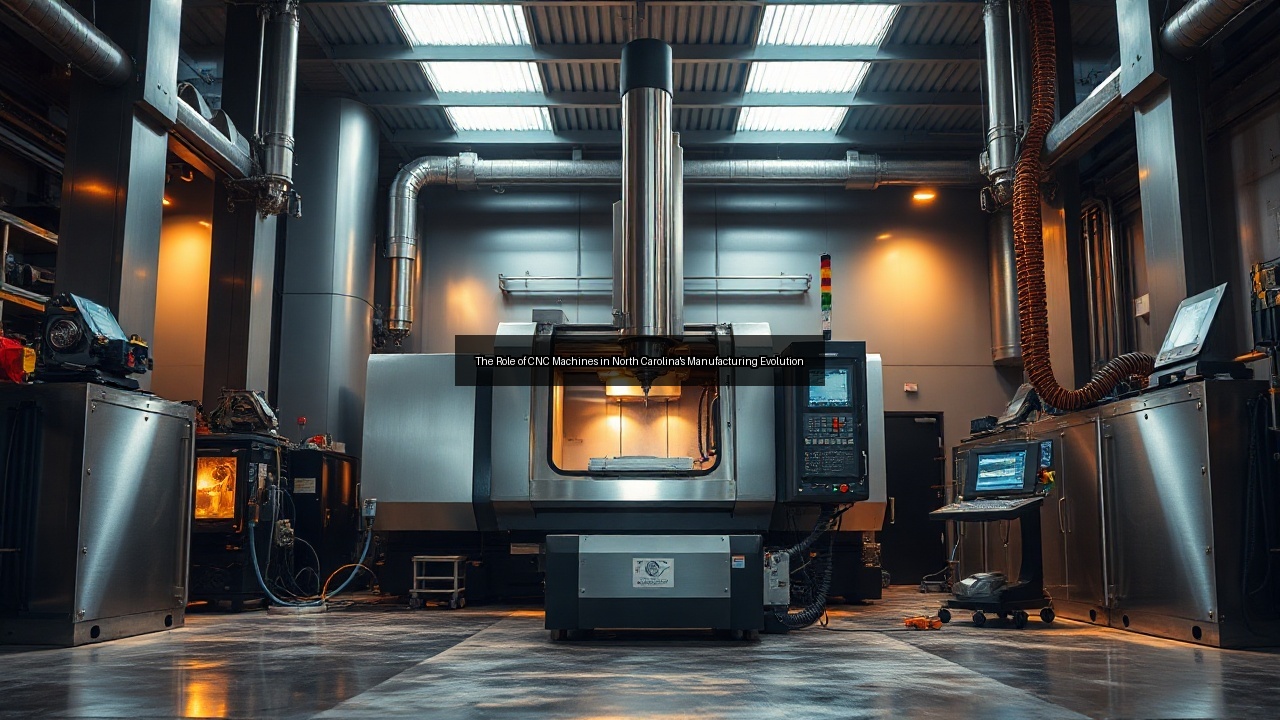
The rise of CNC technology in North Carolina marked a pivotal shift in the manufacturing sector. As industries began to embrace automation, CNC machines emerged as a vital tool for enhancing production capabilities. The first CNC machines appeared in the late 1960s, north carolina cnc machining but their widespread adoption took off in the 1980s and 1990s. North Carolina's manufacturers quickly recognized the advantages of CNC machining, integrating these advanced tools into their operations. This transition not only improved efficiency but also allowed for complex designs and higher production rates, positioning the state as a leader in modern manufacturing.
Key Industries Driving CNC Adoption
Several key industries in North Carolina have driven the adoption of CNC machining. The aerospace sector, for instance, relies heavily on precision components, making CNC machines indispensable for manufacturing aircraft parts. Similarly, the automotive industry demands high-quality fabrication, which CNC technology can deliver. Additionally, medical device manufacturing has seen significant growth in CNC machining, as the need for precise and reliable components becomes increasingly critical. Industries such as metal fabrication and consumer goods also benefit from CNC technology, showcasing its versatility across various manufacturing sectors in the state.
CNC Machines: The Backbone of Modern Manufacturing
Types of CNC Machines Used in NC
North Carolina's manufacturers utilize various types of CNC machines to meet their specific fabrication needs. CNC mills are among the most common, enabling precise cutting, shaping, and drilling of materials. CNC lathes play a crucial role in producing cylindrical parts, allowing machinists to create intricate designs with ease. Additionally, CNC routers are popular for wood and composite materials, offering versatility for industries ranging from furniture to signage. CNC plasma cutters provide another layer of functionality, particularly in metal fabrication, allowing for clean and accurate cuts in various metals. Each type of CNC machine contributes to the diverse capabilities of North Carolina's manufacturing landscape.
Advantages of CNC Machining for Fabrication
CNC machining offers numerous advantages that make it a preferred choice for fabrication in North Carolina. One significant benefit is the enhanced precision that CNC machines provide. These machines operate with remarkable accuracy, reducing human error and ensuring high-quality outputs. Speed is another advantage; CNC machines can operate continuously, significantly increasing production rates. Additionally, CNC machining allows for intricate designs that would be difficult or impossible to achieve with manual methods. The repeatability of CNC processes also ensures consistent quality across batches, making it an ideal choice for manufacturers aiming to maintain high standards.
Precision and Tolerance in CNC Machining
Precision and tolerance are critical factors in CNC machining, particularly in industries where even slight deviations can lead to significant issues. CNC machines operate with tight tolerances, often within thousandths of an inch, which is essential for applications like aerospace and medical device manufacturing. This level of precision ensures that components fit together correctly and function as intended. Furthermore, advanced CNC technology allows for real-time adjustments during production, enhancing accuracy and reducing waste. As North Carolina continues to develop its manufacturing capabilities, the focus on precision machining will remain a cornerstone of the industry.
CNC Machinists: The Skilled Workforce Behind the Machines
Training and Education for CNC Machinists in NC
Skilled CNC machinists form the backbone of North Carolina's manufacturing landscape. To meet the growing demand for precision machining, educational institutions across the state offer specialized training programs. Community colleges and technical schools provide hands-on training in CNC machining, covering everything from basic operation to advanced programming techniques. Apprenticeship programs also play a crucial role in developing skilled machinists, allowing trainees to gain practical experience in real-world settings. This commitment to education ensures that North Carolina maintains a highly skilled workforce capable of operating and programming CNC machines effectively.
The Role of CNC Machinists in Modern Manufacturing
CNC machinists play a vital role in modern manufacturing, acting as the bridge between technology and production. They operate CNC machines, interpreting technical drawings and specifications to produce high-quality components. Beyond operation, machinists are often responsible for programming CNC machines, requiring a deep understanding of both the machinery and the materials being used. Their expertise ensures that the manufacturing process runs smoothly and efficiently. As industries continue to evolve, the role of CNC machinists will only grow in importance, as they adapt to new technologies and methodologies in cnc machined in north carolina the field.
Challenges Faced by CNC Machinists Today
CNC machinists in North Carolina face several challenges as they navigate the complexities of modern manufacturing. One significant challenge is keeping up with rapid technological advancements. As machines become more sophisticated, machinists must continuously update their skills to remain competitive. Additionally, the industry faces a shortage of skilled workers, making it difficult for companies to fill positions. This talent gap can lead to increased workloads for existing machinists and may impact production timelines. Addressing these challenges requires a concerted effort between educational institutions, industry leaders, and policymakers to foster a skilled workforce capable of meeting the demands of the evolving manufacturing landscape.
Future Trends in CNC Machining in North Carolina
State-of-the-Art Innovations in CNC Technology
The future of CNC machining in North Carolina looks promising, with state-of-the-art innovations on the horizon. Technologies such as automation and artificial intelligence are set to revolutionize the industry further. Smart CNC machines equipped with IoT capabilities can provide real-time data analytics, allowing manufacturers to optimize processes and reduce downtime. Innovations like additive manufacturing, which combines CNC machining with 3D printing, are also gaining traction, offering new possibilities for producing complex geometries. These advancements position North Carolina at the forefront of CNC technology, ensuring the state's competitiveness in the global market.
Impact of Advanced Materials like Titanium and Alloys
As CNC machining evolves, the use of advanced materials such as titanium and specialized alloys is becoming more prevalent in North Carolina's manufacturing processes. These materials offer superior strength-to-weight ratios and corrosion resistance, making them ideal for industries like aerospace and medical devices. However, machining these materials poses unique challenges, requiring specialized tooling and techniques. CNC machinists must adapt to these demands, ensuring they have the skills necessary to work with advanced materials effectively. The continued development of techniques for machining titanium and alloys will further enhance North Carolina's reputation as a leader in precision manufacturing.
The Future of CNC Machining in Concord and Raleigh
The future of CNC machining in cities like Concord and Raleigh remains bright, driven by a combination of innovation and skilled labor. As local industries embrace advanced technologies and materials, NC cnc machining the demand for CNC machining services will continue to grow. Companies in these areas are investing in cutting-edge CNC machines and training programs to cultivate a highly skilled workforce. The collaboration between educational institutions and local industries ensures that machinists receive the training needed to thrive in a rapidly changing environment. As Concord and Raleigh evolve into hubs of CNC machining excellence, they will contribute significantly to North Carolina's manufacturing evolution.